
2024 Educational Symposium Speakers
Tuesday, September 24, 2024

Ben Dellsperger
99 Problems, but the Seal's Just One: Use Root Cause Analysis to Reduce Unplanned Events
This presentation will demonstrate why and how to perform root cause analysis (RCA) on problems involving seal system failures. Organizations typically troubleshoot technical issues when seals fail, overlooking the broader context of operating assets and work processes. By focusing on the broader impacts, such as production losses, we will show how RCA can help identify comprehensive solutions to proactively reduce unplanned events.
Ben Dellsperger has 16 years of experience in the chemical and oil and gas sectors in reliability. He has a mechanical engineering degree from the University of Iowa. His background spans various technical roles within reliability, operations, and economic business development. Since joining ThinkReliability in 2022, Ben has led numerous high-profile investigations across various industries, helping organizations improve their processes and prevent future failures. His extensive knowledge in industry, Cause Mapping investigations, and failure analysis has made him a sought-after speaker and consultant, known for his ability to translate complex issues into actionable insights.
Kevin Ballard
What the FRAC?! Failure Remedies, Analysis, & Characterization
Failure is inevitable, but how do we learn from and prevent it in the future? In this presentation we will discuss failure analysis, what it is, how it's done, and how to mitigate failures in the field. We will look at several real-world failures, discussing fracture patterns and root cause. By understanding these failures, we aim to provide you the education and tools to mitigate failures in the future.
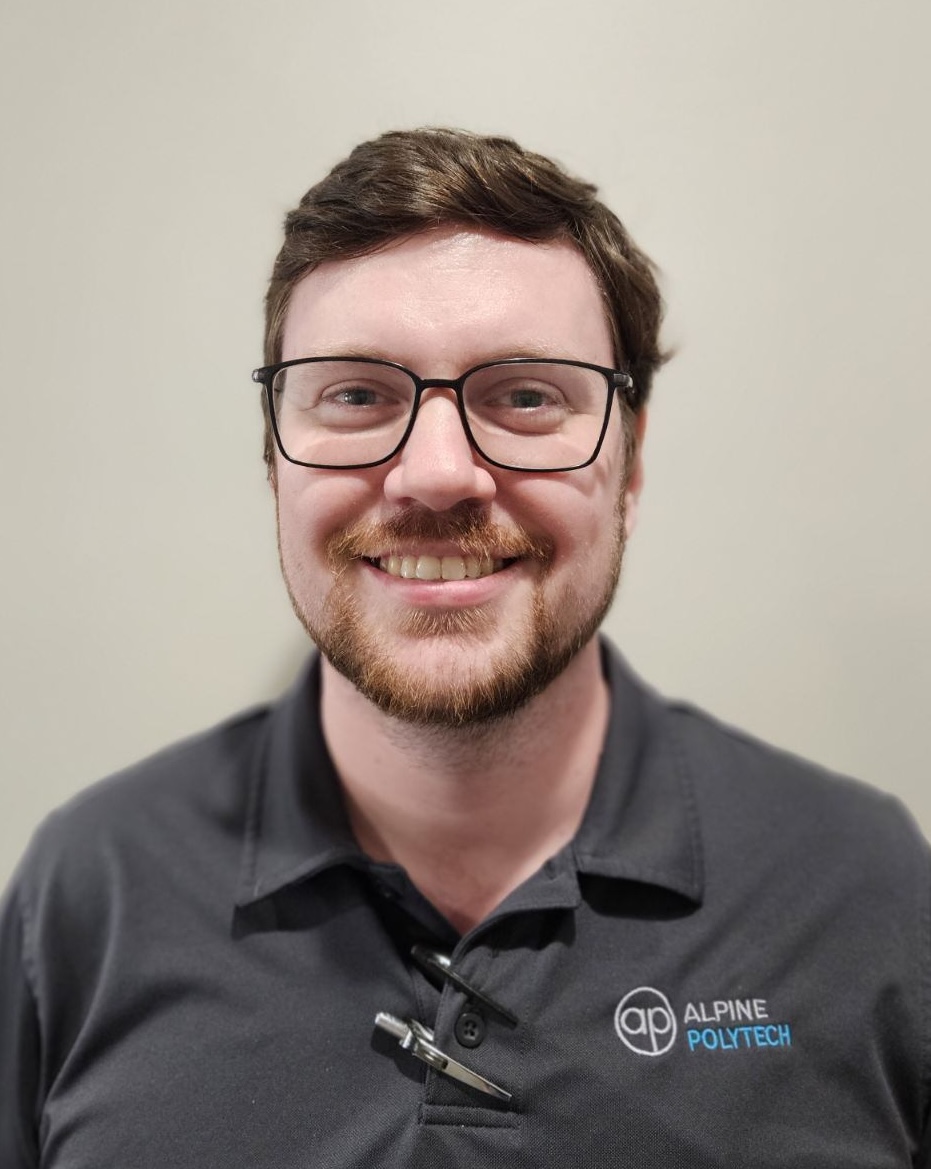
Kevin Ballard is a principal scientist at Alpine Polytech. Kevin obtained a Bachelor of Science in Biology from The University of Texas at Arlington in 2019 but has been working at Alpine since 2017. Kevin has a broad range of polymer science experience at Alpine including basic material property testing (tensile, compression, etc.), 1-week sour tests (API 6A, NACE TM0187, etc.), extrusion testing and tool testing. Kevin currently oversees failure analysis projects as well as custom testing programs at Alpine. In his free time, he enjoys playing D&D and tabletop games with friends.
Zachary Graham
The Things Your Chemistry Professor Didn’t Tell You – Characterization of Polymers and Case Studies
Your chemistry professor may have simplified it for you to prevent confusion, but what are you missing out on? This presentation will concern the function/sensitivity of several analytical instruments including: FTIR, DSC, TGA, DMA, and RPA. Furthermore, the order of operations for performing material characterization using these instruments will be explained using several case studies of material failures in the real-world. You should expect to learn which instrument/tests are right for your needs.
Zachary Graham is a Staff Scientist at Alpine Polytech. He obtained a B.S. in Chemistry from Texas A&M University in May of 2022, and has been serving clients in the Energy and Aerospace industries ever since. His main responsibilities include oversight of material evaluation testing to industry standards (API, ISO, NACE, etc.), and physical/chemical characterization of polymers via mechanical and analytical testing. Zach is skilled in performing standard and bespoke test protocols for evaluation of material performance in various environments (high pressures, extreme temperatures, and harsh chemicals). In his free time, Zach can often be found behind his pellet grill, whipping up some delicious dishes!
Dr. Austin Freeman
Packer Element Specification/Testing/Validation/Verification/Analysis?!#@ - a look into API Spec 11D1
This presentation will present an overview of the products that use them and the requirements for packer element systems as detailed in API Spec 11D1. The methods for specification of packer elements and other non-metallic items will be explored along with the evaluation methods for those products and how they have changed over the years to preclude catastrophic failures.
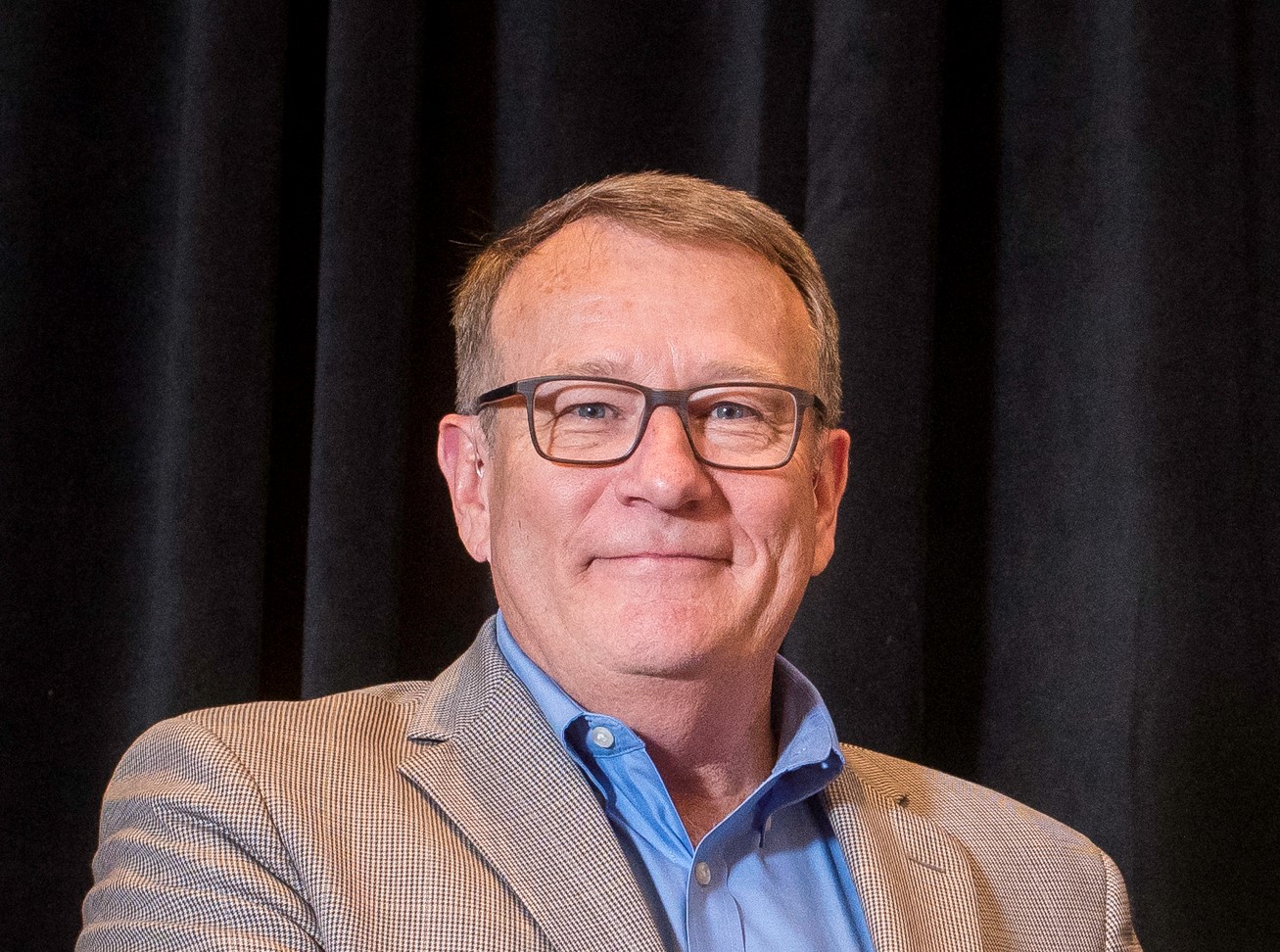
Dr. Austin Freeman is the owner of Freeman Professional Services, PLLC and has been involved with API 11D1 since its inception both as a manufacturer and an operator. Dr. Freeman is a well-known figure in API having served as chairman for the Global Industry Services Committee, API Committee on Standardization of Oilfield Equipment and Materials, the API Monogram Program Board, and the API subcommittee on Completion Equipment. He is also past president of the Association of Wellhead Equipment Manufacturers (AWHEM) and led the task group to revise API Q1, 9th edition. With a 44-year long career in the petroleum industry, Dr. Freeman has been issued 28 patents on downhole completion technology. He is a two-time recipient of the Hart’s Meritorious Award for Engineering Excellence and in 2019 received the Ronald H. Brown Standards Leadership Award from ANSI. A registered professional engineer in the state of Texas, Dr. Freeman earned his B.S. at Oklahoma State University, a Master's in Business Administration at Oklahoma City University, and graduated from Southern Methodist University with a Doctor of Engineering, Engineering Management, in 2008.
Robert Riggs
API 16C Choke and Kill Seal Testing: Evaluation, Correction, Lessons Learned
Oil States Industries provides Choke and Kill equipment to drilling contractors and other equipment manufacturers. API Specification 16C 3rd edition made changes to non-metallic seal qualification requirements. We discuss some of the challenges in testing seals to these requirements.
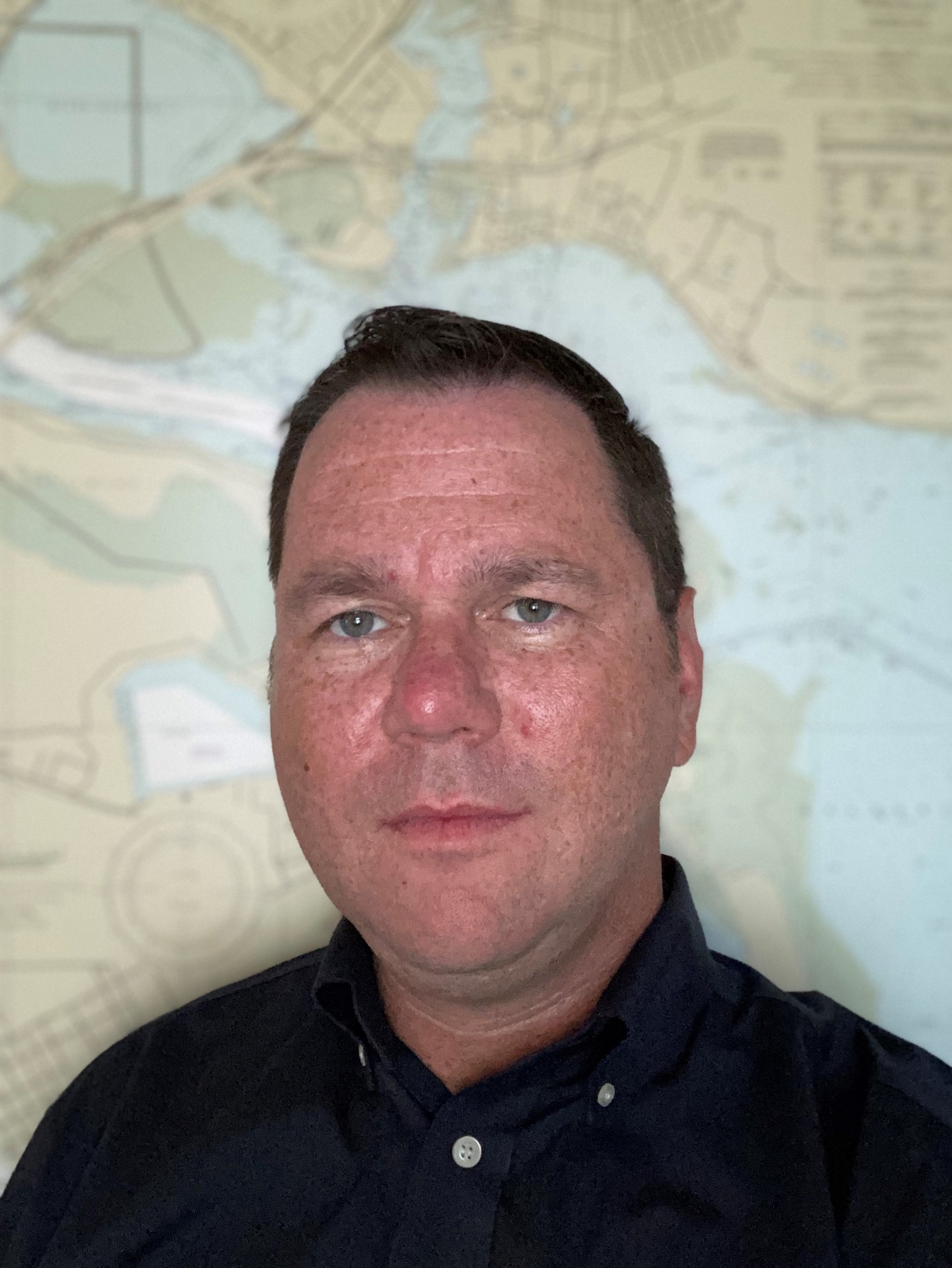
Robert Riggs is a Senior Project Engineer with Oil States Industries in Houston TX. He is a Graduate of Texas A&M University, a Professional Engineer licensed in Texas, and a contributor to several API subcommittee 16 workgroups.
Jerrod Olivier Santu Bhattacharjee
Sr. Consultant & Partner Metallurgist
Precision Engineering Solutions Precision Engineering Solutions
Crevice Corrosion of Metallic Sealing Surfaces
This presentation will focus on crevice corrosion of metallic sealing surfaces. Basic alloy types & designations will be reviewed, the mechanism of crevice corrosion will be explained, case studies involving seal failures due to crevice corrosion of metallic sealing surfaces will be presented, and solutions for prevention of crevice corrosion will be discussed.
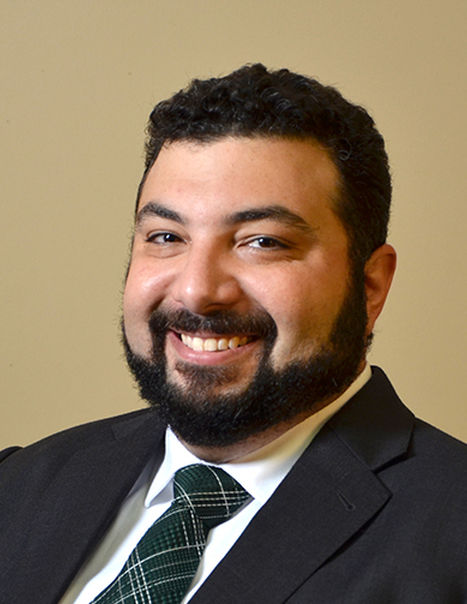
Jerrod has over 20 years of experience in the oil & gas industry focused on metallurgical failure analysis, material verification, specification writing & review, testing/project management, facility auditing, and third party technical surveillance of manufacturing/inspection. He serves as a voting member on API Subcommittee 5 Task Group on Drill Stem Elements (SC5 TGDSE) and is the Second Vice Chair of The American Welding Society (AWS) Acadiana Section. He earned a Bachelor’s degree in 2009 from the University of Louisiana where he composed a custom degree with emphasis on Mechanical Engineering, Materials Science, Mathematics, Psychology, and English.
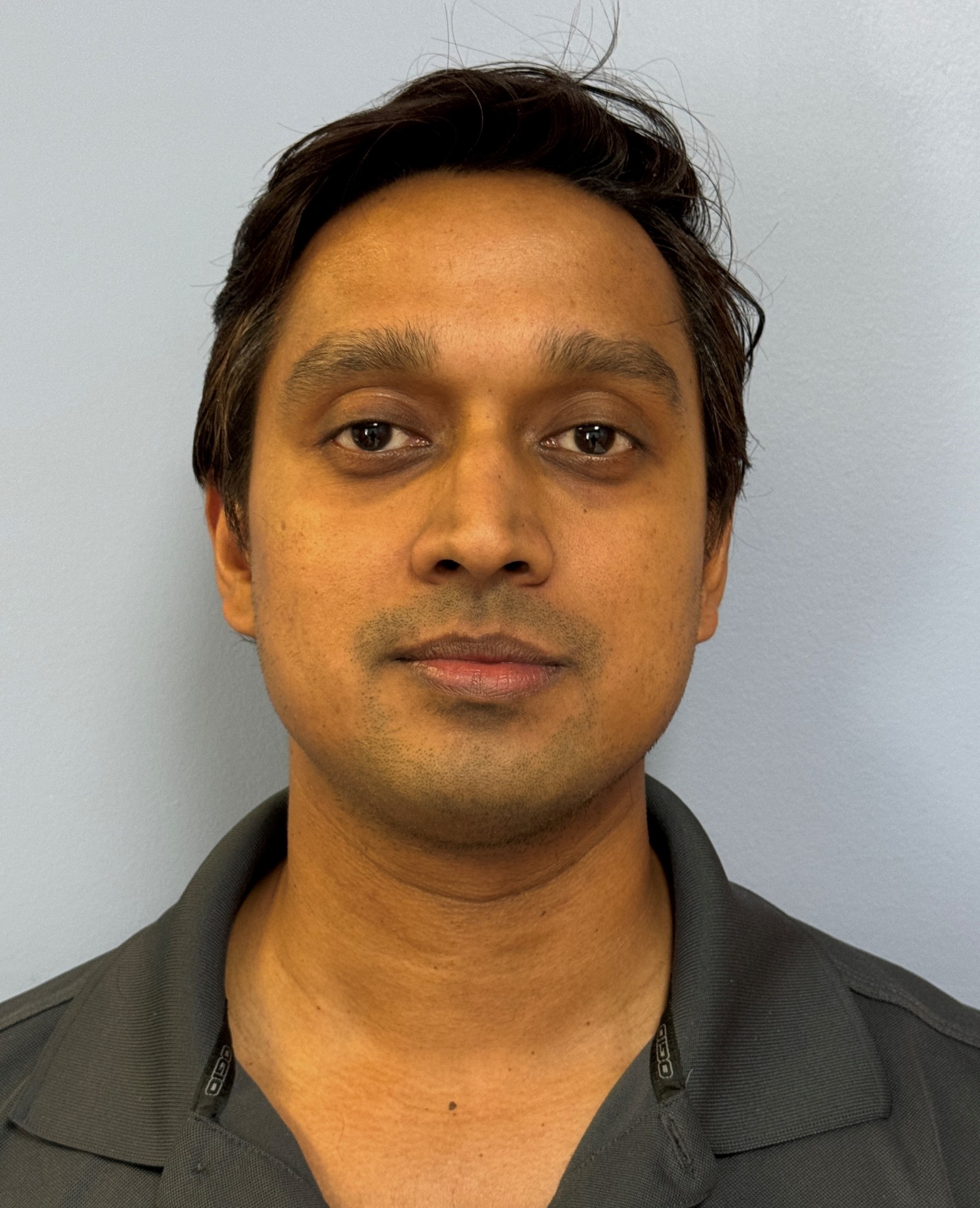
Santu earned his Master’s degree in Materials Engineering from the University of Saskatchewan, Canada, where he focused on developing coatings to enhance the corrosion resistance of metal alloys. He is a licensed Professional Engineer (P.E.) in Metallurgy in Canada and an active member of the American Society of Materials (ASM). With over seven years of experience in failure analysis and product development, Santu has conducted extensive metallurgical and corrosion failure analyses across various industries, including automotive, heavy equipment manufacturing, and mining. He also holds a Bachelor’s degree in Metallurgical and Materials Engineering.

Jeremy Morrison
Downhole Tool Failure: An Explosive Experience
Within the oil and gas production industry, the rapid release of energy can lead to strong returns from a well but it can also lead to premature facture of downhole equipment components. This presentation will cover the background and use of power charges used as setting tools and the importance of tough metallurgy to service the service environment. A quality control and failure analysis study was conducted to investigate multiple lots of material used to manufacture power charge equipment. Pressure testing to burst, dilation measurements, and mechanical property experiments were conducted and will be discussed.
Jeremy Morrison, VP of Engineering, Research, and Development, joined Diamondback Industries in 2021 and has 28 years of engineering and product development experience. Jeremy started his career in O&G with Schlumberger Wireline & Testing in the Electrical-Nuclear department. He spent a decade in the Reservoir Sampling & Pressure group developing his expertise in handling complex tools such as MDT, CHDT, and MSCT and he was pivotal in helping those tools find success in very challenging environments. His success and contribution to record-breaking global projects resulted in substantial revenue wins and led to his involvement with designing acoustic tools for BCSS GOM and Perforating Guns. Jeremy also spent some time on the R&D team for Impact Selector International, where he showcased his versatility in creating completion and conveyance tools for North American land and offshore markets. Diamondback may operate in a mature market, however Jeremy believes it's still an emerging market especially with the advances in composites and polymers.
Eric Anderson
Using Finite Element Analysis as a Seal Design Tool
Characterization methods for various polymers will be reviewed to generate accurate material models for Finite Element Analysis. How to include time/temperature effects, both hot and cold, will also be discussed. Then the details of some case studies will be shared.
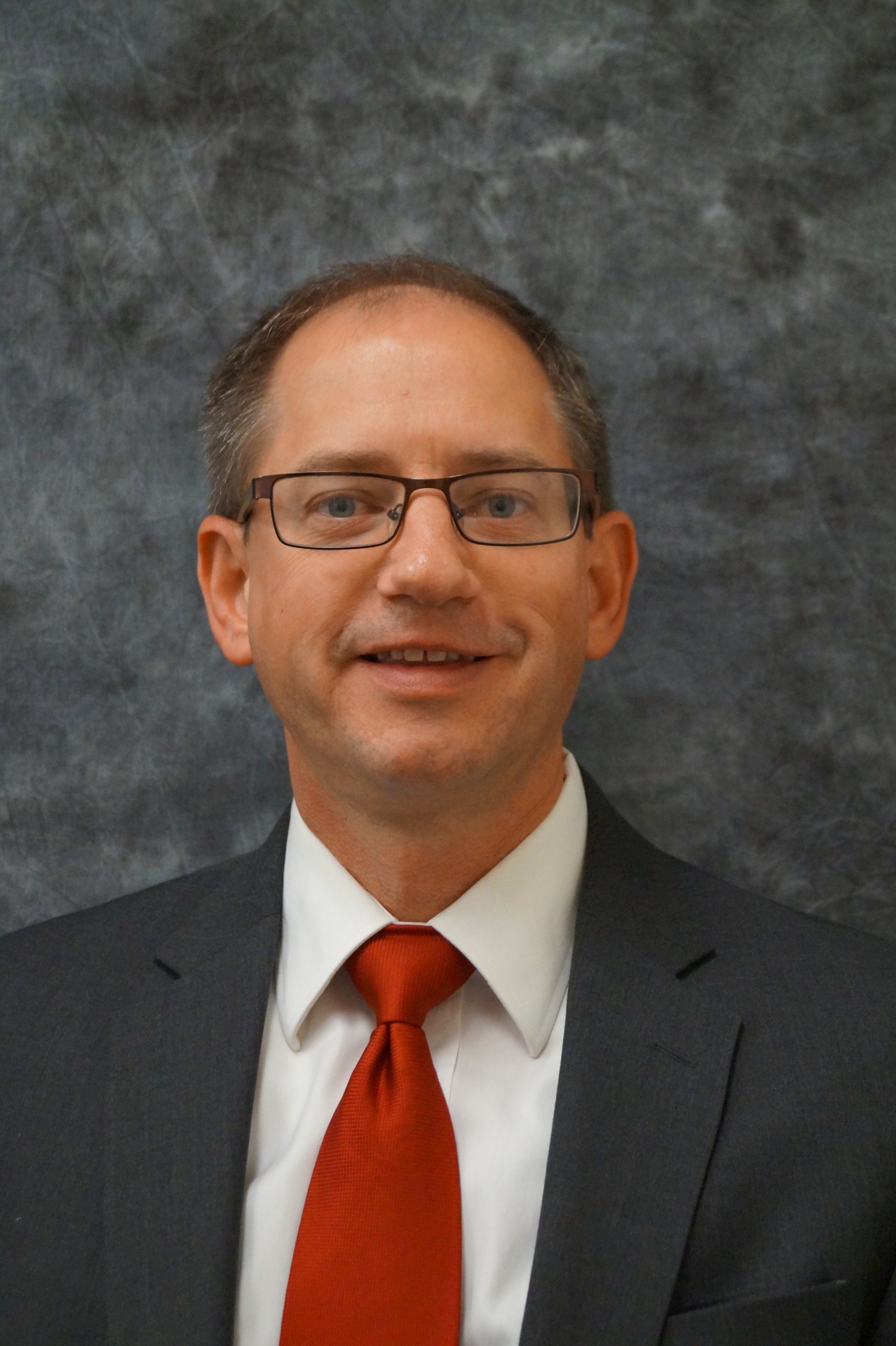
Eric Anderson graduated from Utah State University with BS and MS degrees in Mechanical Engineering. He has 20+ years’ experience testing and characterizing polymers and using that data to design products using finite element analysis. He currently works as a Senior Principal Engineer for Parker Hannifin’s Engineered Polymer Systems Division in Salt Lake City, Utah. Eric and his wife Robin have three children. Eric enjoys boating, snowboarding, and dirt bike riding.
Wednesday, September 25, 2024
Preston Weintraub
Application of FMEA for Reliability: Elastomers and Polymers
Instilling Reliability in the Use of Seals
Reliability in design of systems often involves sealing mechanisms. Failure Modes and Effects Analysis is an excellent tool to evaluate, mitigate, and quantify the the reliability of a system and its sub-components. The objective of the presentation is to describe the FMEA process and connect it to sealing failure modes, with he end goal of improving the reliability of a system. It beings with a basic example of the FMEA method for a seal, and then expands into a simple system, a valve.
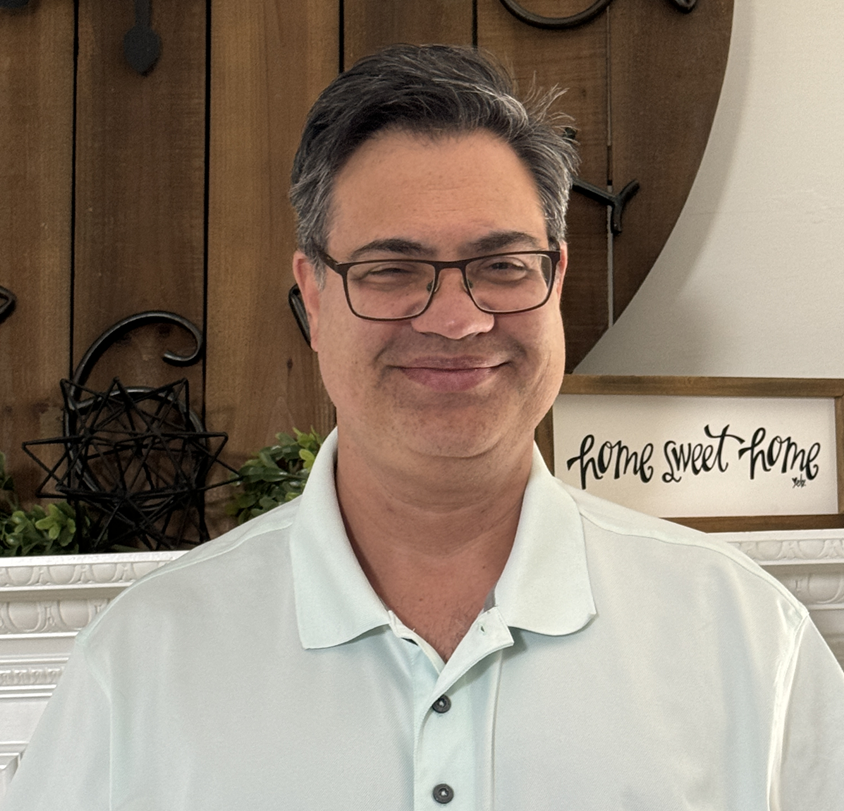
Preston Weintraub has been in the oilfield for 29 years practicing mechanical design engineering, product and project management, and product line management. His focus is technical with a clear understanding of business needs. His primary areas are downhole, drilling and production valve designs. He holds 21 patents with a number related to sealing mechanisms. He received his bachelor’s in mechanical engineering from Case Western Reserve University, his masters in the same from Purdue University, and his MBA from TCU. In his role at Weatherford as the Sealing SME from the mechanical design, he approaches design of elastomeric and polymeric sealing solutions utilizing the years of expertise in Weatherford’s Non-Metals team and his own experience in sealing. HPHT sealing is of particular interest.

Nicki Hershberger
Improved Compound Dispersion to Avoid & Correct Seal System Failures
This presentation will focus on how raw materials, mixer and rotor design, batch sizing, and mixing passes impact compound dispersion. We will also touch on failure modes that stem from poor compound dispersion and different techniques to test dispersion.
Nicki Hershberger, V.P. of Technical & Sales at Akron Rubber Development Inc., has 27 years of rubber experience in compound development, setting up production processes, engineering new products, and market development. She is a graduate of Kent State University and is an instructor for the ACS Rubber Division and has substantial experience in carbon black, custom rubber mixing, and testing.
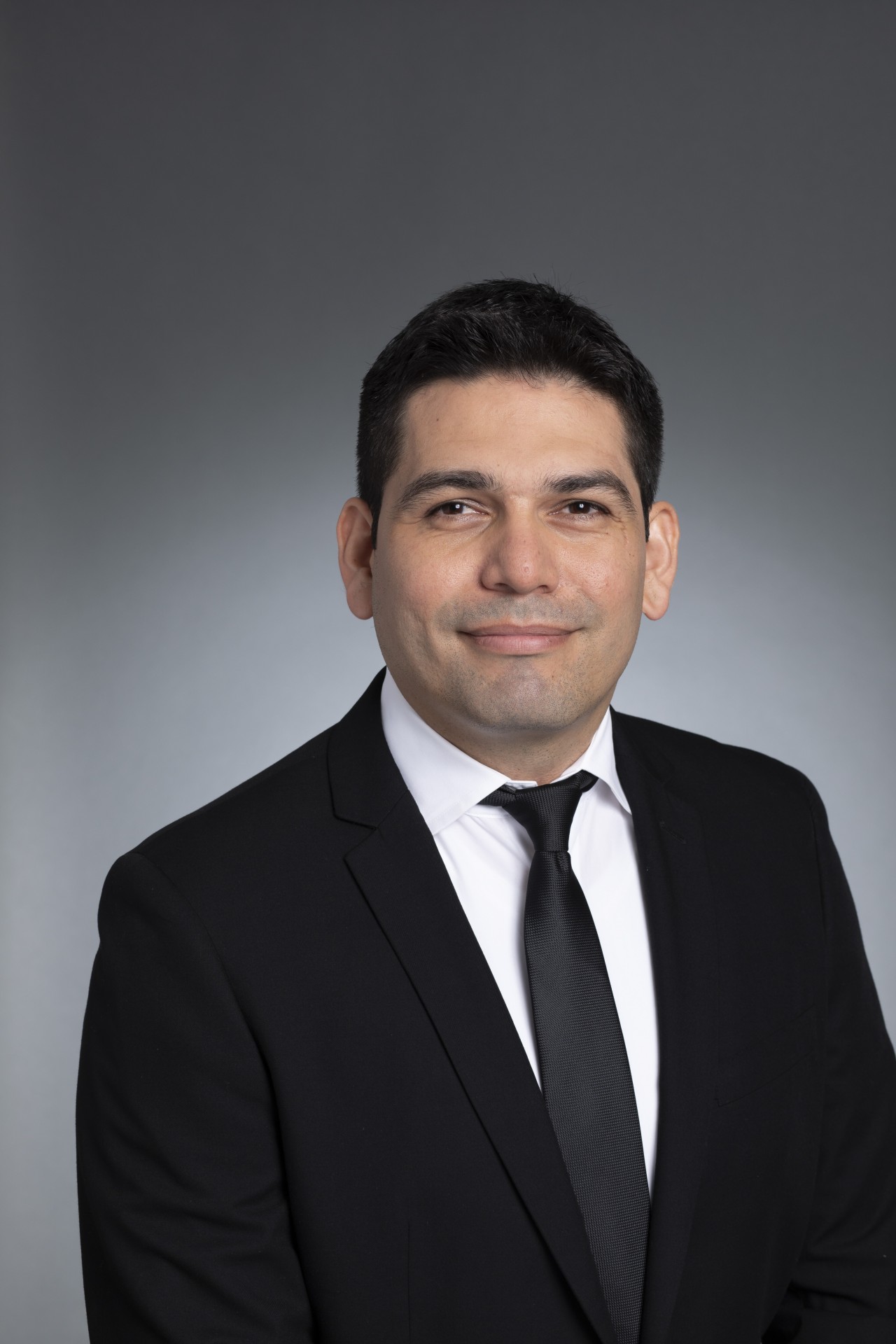
Ever Coronel
Glass fill PEEK Back up ring Failure Analysis
In this presentation, we will delve into the topic of failure analysis in glass fill PEEK back up ring. We will explore how Finite element analysis, computed Tomography (CT) Scanning and manufacturing assessment can be utilized to identify the root causes of failure.
Ever Coronel, Process Engineer Manager at Freudenberg Flow Technologies, has a mechanical engineering degree from Texas A&M Kingsville. He is a seasoned process engineer with a wealth of experience in the oil and gas industry since 2007, specializing in elastomer and thermoplastic molding. Ever has a strong background in designing and optimizing manufacturing processes to ensure efficiency and quality.
Panel - details coming soon!
